How Walk-In Coolers and Walk-In Freezers Are Built for Top Quality and How They Function
In the world of commercial refrigeration, walk-in coolers and walk-in freezers are integral to businesses in the food service, grocery, and pharmaceutical industries. Whether you’re running a restaurant, a grocery store, or a warehouse, these units are designed to keep products at ideal temperatures, ensuring food safety and quality. But what exactly makes these systems so reliable? How are they built to perform efficiently over time? And how do they function day in and day out to maintain the temperature stability needed for your business?
In this comprehensive blog post, we’ll dive deep into the construction, functionality, and features of walk-in coolers and walk-in freezers, explaining the technology behind them while optimizing this article for SEO to help you make an informed decision for your business.
—
What Are Walk-In Coolers and Walk-In Freezers?
Before we explore how they’re built, it’s important to define what walk-in coolers and freezers are.
Walk-In Coolers: These are refrigeration units that maintain temperatures above freezing, typically between 35°F to 45°F (1.6°C to 7.2°C). They are designed for perishable food items like dairy, vegetables, meats, and beverages that need to be kept cold but not frozen.
Walk-In Freezers: Unlike coolers, walk-in freezers maintain sub-freezing temperatures, usually between -10°F to 0°F (-23°C to -18°C). These units are used for long-term storage of frozen goods, including meats, frozen vegetables, ice cream, and other frozen products.
Both walk-in coolers and freezers are essential in maintaining the integrity and safety of perishable goods. However, the way these units are built and function is crucial in ensuring that they perform efficiently and effectively.
—
The Construction of Walk-In Coolers and Walk-In Freezers
1. Insulated Panels for Maximum Temperature Control
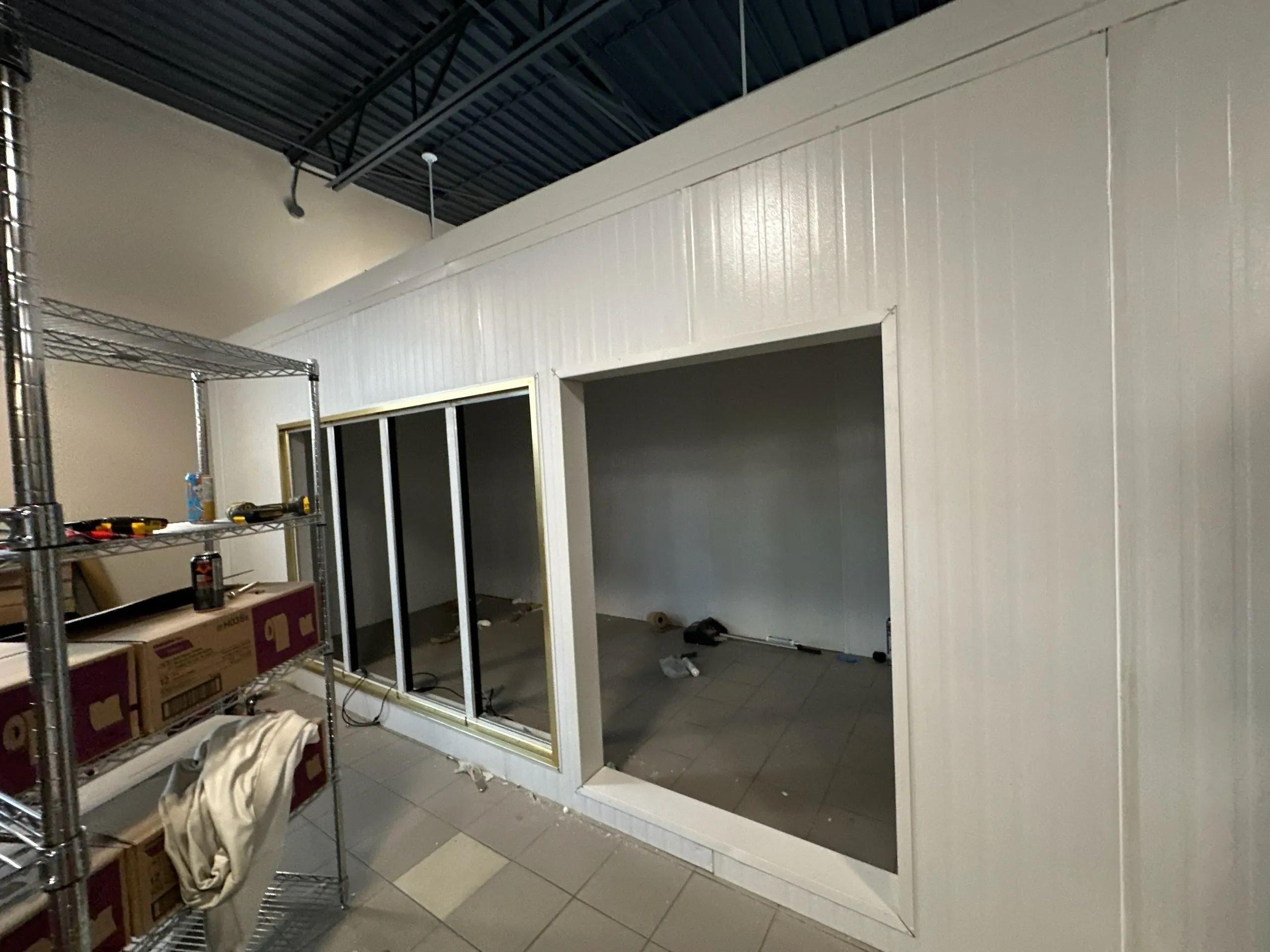
One of the most vital components of any walk-in cooler or walk-in freezer is the insulation. High-quality insulation is what helps maintain the internal temperature, preventing outside air from affecting the internal environment. The walls, floor, and ceiling of both coolers and freezers are constructed using thick, durable panels filled with high-density foam insulation.
Foam Insulation: Most walk-in refrigeration units are insulated with polyurethane foam, which is known for its high R-value (thermal resistance). The higher the R-value, the better the unit will perform in terms of energy efficiency and temperature control.
Panel Construction: The panels are usually constructed with metal on both sides, often made of galvanized steel, aluminum, or stainless steel. These metals are durable and resistant to corrosion, ensuring the structure remains intact even in the harshest environments.
Seamless Joints: Quality walk-in freezers and coolers are designed with seamless joints between panels to prevent cold air from escaping and warm air from entering. These joints are often sealed with caulk or other airtight materials to enhance the unit’s efficiency.
2. Reinforced Flooring
The floor of a walk-in cooler or freezer is often one of the most underappreciated components, but it plays a crucial role in the overall functionality. These floors are designed to withstand heavy foot traffic, the weight of stored goods, and potential moisture buildup.
Slip-Resistant Surfaces: Many walk-in refrigeration units feature a slip-resistant surface, which not only increases safety but also helps prevent potential damage caused by movement or stacking of goods.
Waterproofing: Given that walk-in freezers and coolers are exposed to moisture from food or condensation, manufacturers use waterproof and durable flooring materials like aluminum or composite materials that can resist damage from water and ice buildup.
3. Energy-Efficient Refrigeration Systems
The heart of both walk-in freezers and coolers is the refrigeration system, which controls the temperature inside the unit. These systems are designed to be energy-efficient, yet powerful enough to maintain a stable temperature.
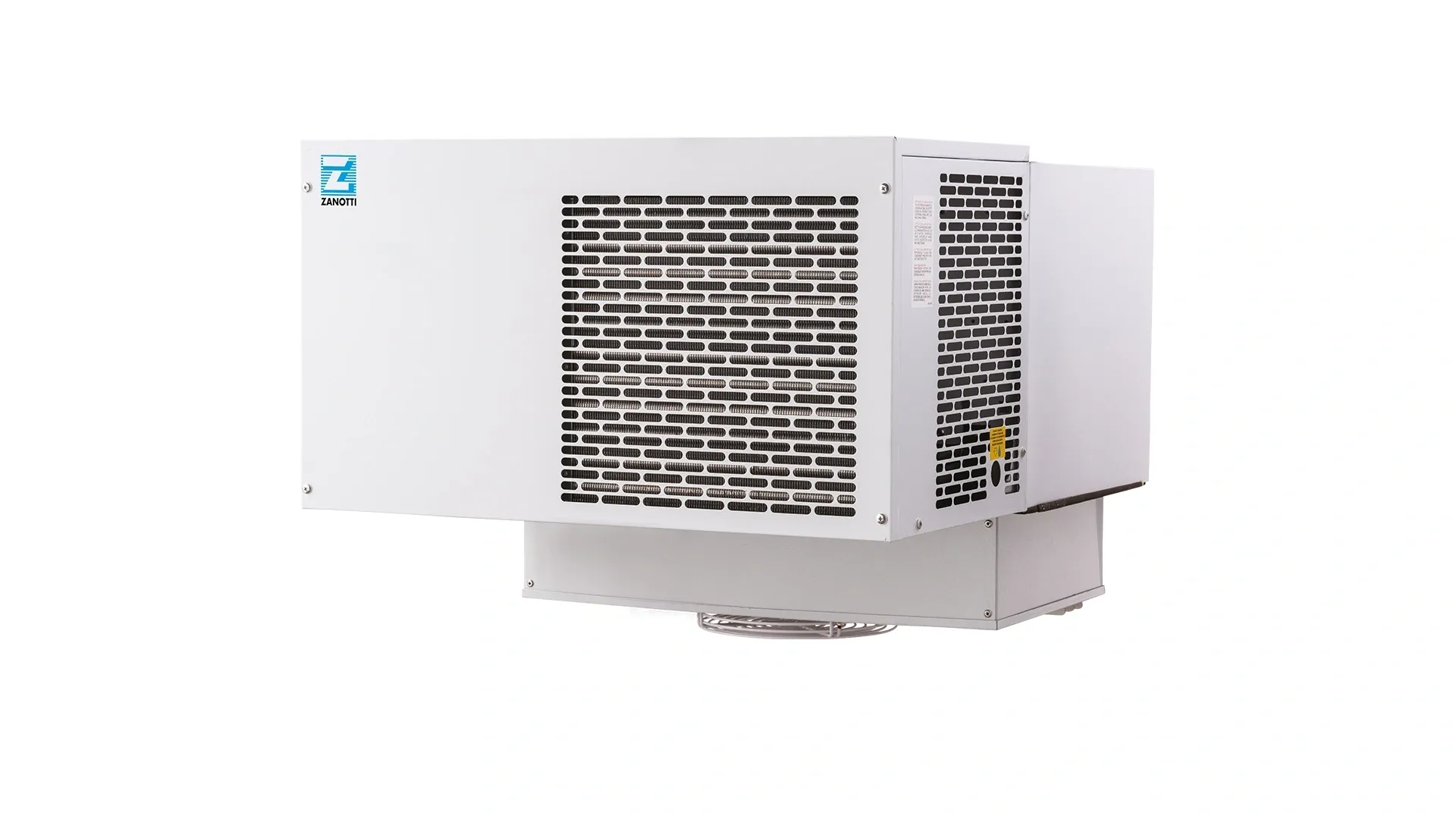
Compressor and Condenser: Walk-in coolers and freezers rely on a compressor to circulate refrigerant throughout the system. The condenser helps to release the heat absorbed by the refrigerant to the external environment, keeping the internal space cool or frozen.
Evaporator Coils: These coils absorb the heat inside the unit and transfer it to the refrigerant. In walk-in coolers, the temperature needs to be above freezing, while walk-in freezers operate at much colder temperatures. High-quality systems are equipped with advanced evaporator coils that ensure the refrigerant can absorb heat efficiently.
Variable-Speed Fans: Energy-efficient refrigeration systems also use variable-speed fans that adjust according to the temperature inside the unit, reducing energy consumption while ensuring uniform airflow and temperature distribution.
—
How Walk-In Coolers and Walk-In Freezers Function
Once the physical construction of your walk-in cooler or freezer is complete, the functionality is what will make or break its performance. Here’s a breakdown of how these units operate:
1. Maintaining Temperature
Walk-In Coolers: The thermostat within the cooler monitors the internal temperature. Once the temperature rises above the preset value (usually around 40°F), the refrigeration system kicks in, pulling heat from the interior and transferring it outside to maintain the desired temperature range. This process is continuous to ensure your products stay at the proper storage temperature.
Walk-In Freezers: Freezers operate in a similar fashion but require much colder temperatures. When the temperature inside rises above the set point (typically around 0°F), the compressor cycles on, and the refrigerant circulates through the evaporator coils to pull heat from the freezer.
2. Defrosting Mechanisms
Both walk-in freezers and coolers use defrosting mechanisms to prevent ice buildup, which can damage the system and impede airflow.
Hot Gas Defrost: In high-quality walk-in freezers, a hot gas defrost system is often employed. This system uses hot refrigerant gas to gently melt any ice on the evaporator coils without shutting the unit down completely. This ensures consistent temperature control without compromising the quality of frozen goods.
Electric Defrost: Some walk-in coolers and freezers use electric defrost systems, which are effective but may consume more energy. These systems use electric heating elements to thaw out ice that accumulates on the evaporator coils.
3. Airflow and Temperature Consistency
Walk-in refrigeration units use fans to ensure even distribution of cold air inside the unit. In walk-in freezers, consistent airflow is crucial because uneven cold spots can cause food to spoil. In walk-in coolers, consistent airflow helps maintain an optimal environment for preserving fresh produce, dairy, and other perishable goods.
—
Why Quality Construction Matters for Walk-In Coolers and Freezers
Investing in a high-quality walk-in cooler or walk-in freezer is essential for maintaining the safety, efficiency, and longevity of your refrigeration system. Here are the key reasons why:
Energy Efficiency: Well-insulated units with high-quality refrigeration components save you money on energy bills. Low-quality units may require constant maintenance and repairs, leading to higher operational costs.
Durability: Strong, corrosion-resistant materials ensure that your walk-in cooler or freezer can handle the demanding conditions of commercial kitchens or warehouses, leading to a longer lifespan and less frequent need for repairs.
Food Safety: Keeping your products at the correct temperature is not just a matter of convenience—it’s essential for food safety. A well-built unit maintains temperature stability, reducing the risk of spoilage or contamination.
—
Final Thoughts
In conclusion, walk-in coolers and walk-in freezers are more than just basic storage units. They are complex, highly engineered systems that rely on high-quality construction materials, insulation, refrigeration technology, and efficient design. The right unit can make a significant difference in terms of energy savings, operational efficiency, and food safety.
If you’re considering a walk-in cooler or walk-in freezer for your business, it’s essential to choose a product that is built for reliability and longevity. By understanding how these units are constructed and how they function, you’ll be able to make a more informed decision, ensuring your business runs smoothly and safely.
—
Keywords for SEO:
Walk-in coolers
Walk-in freezers
Commercial refrigeration systems
Walk-in cooler construction
Walk-in freezer insulation
Energy-efficient refrigeration
Walk-in freezer defrost system
How walk-in freezers work
Walk-in cooler maintenance
High-quality walk-in freezers